
news
Beyond GDP: How to better measure economic progress?
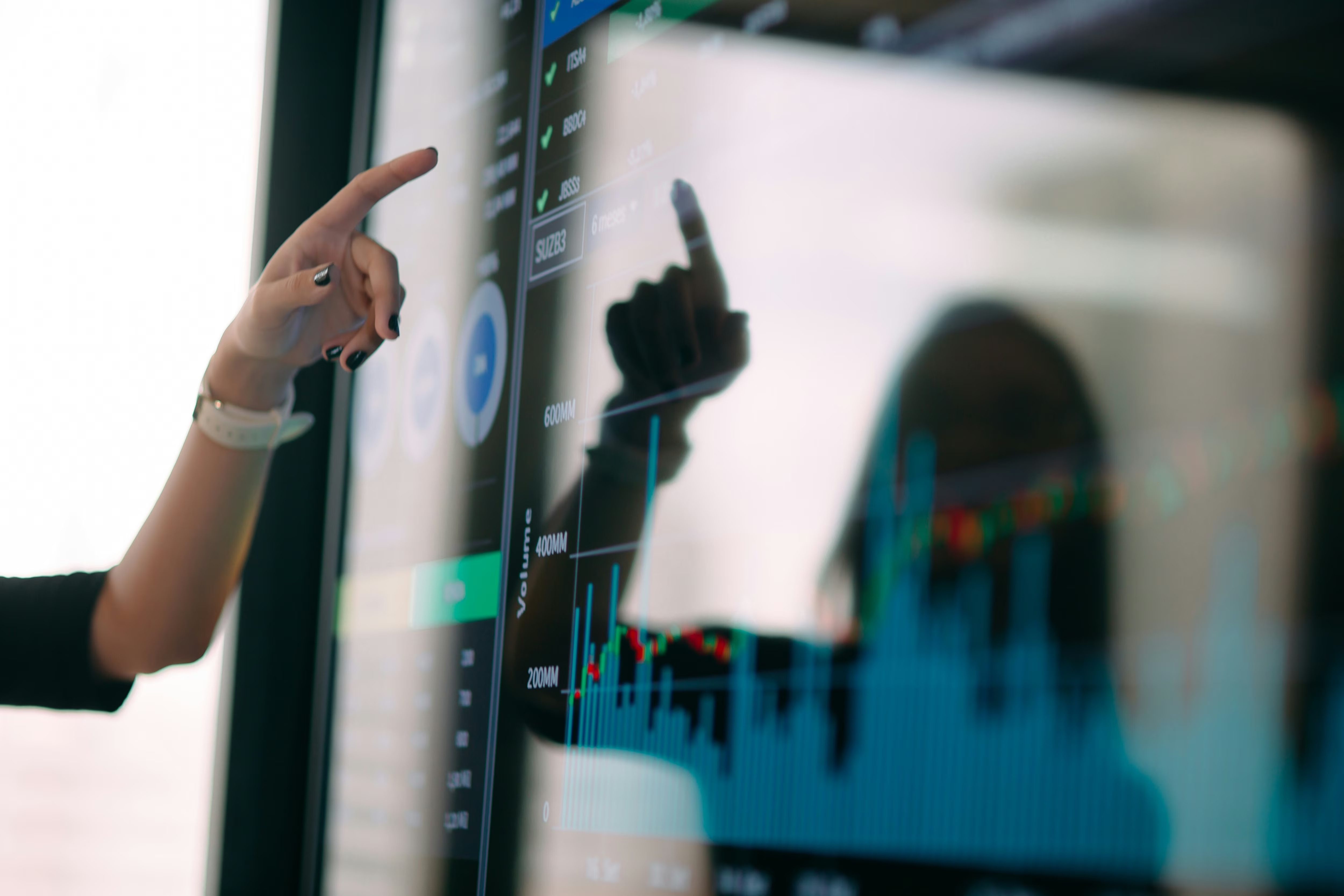
Gross domestic product (GDP) growth is often used to reflect the economic progress of countries around the world.
But many experts believe we need a better measure of progress: more economically accurate and socially relevant.
The current changes in the global economic landscape, coupled with the upcoming UN negotiations, may help push the world "beyond GDP".
With public concerns about affordability, inequality, employment shocks caused by artificial intelligence (AI), and climate change on the rise, is it finally time for GDP, the premier indicator of the country's economic progress, to come down from the stage?
Financial markets and economists tend to flock to strong GDP or productivity growth figures. But to impress the general public, something more tangible is needed. people throughFamily living standardto judge the success or failure of the country's economy, whether it is employment status and prospects, wage growth, the cost of necessities, or economic, social or environmental security.
Of course, GDP growth and long-term improvement in living standardshighly correlatedBut the two are not completely synchronized. As countries get richer, this link tends to weaken. Moreover, within an economy, there can be large differences in living standards, especially in the event of major changes or shocks, or in the case of high concentrations of political power and economic rents.
We are currently living in such a period of transformation, change and increased concentration. Although growth, especially for poverty reduction in low-and lower-middle-income countries, remains important, the use of GDP growth as a measure of material progress in this century is even less satisfactory than in the previous century.
How to better measure economic progress
How to establish a better, that is, more economically accurate and more socially relevant measure of progress is an age-old question. But the technical work and political discussions surrounding this challenge may be on the verge of a major breakthrough.
Milestones on how to measure economic performance and social progress since the 2008 global financial crisisThe Stiglitz ReportIt has been over 15 years since its release. This week,United Nations High-level Group of Experts on "Beyond GDP"A new round of recommendations is expected.
This will initiate an intergovernmental negotiation process within the United Nations aimed at ultimately transforming the field from fragmented and diverse good practices to internationally comparable practices. This could include establishing a new measure of aggregate progress to replace GDP, or incorporating it into the GDP system to be used in parallel with it.
One of the toughest challenges these negotiations will face is the heterogeneity of relevant issues and data.
Recently, a groupPapers published by United Nations economistsGovernments should clearly delineate three key dimensions for measuring progress: production output, material living standards, and other non-material or subjective indicators of well-being. Countries should report these three dimensions in an internationally standardized manner, while incorporating the first two into a new core indicator of economic progress-Gross National Sustainable Development (Gross National Sustainable Development, GNSD).
GNSD will combine an improved version of the standard measure of production output (GDP) with a new multi-dimensional Living Standards Index (Multidimensional MLSI). This will provide an internationally standardized view of economic progress from the other end of the telescope, that is, people's material life experience and family living standards.
The paper elaborates on these two new concepts. It aims to fundamentally rethink the long-running "beyond GDP" project, which can be regarded as a return to basic principles to some extent.Long term "beyond GDP" projectExplore how to achieve maximum behavioural impact among policymakers while increasing countries' "step-by-step"Universal transparency of economic and social rights.
Comprehensive consideration of AI, climate change, international trade and other factors
This more comprehensive and balanced core indicator of economic progress will facilitate more effective policy debate and decision-making on some of the major economic challenges facing countries in the 21st century. For example, AI may increase productivity and national income, but it may also increase inequality.
In addition, climate change, an aging population and the fragmentation of the international trading system all appear to limit the scale of economic growth in many countries in the coming years. This makes it more important than ever for governments in these countries to prioritize policies that improve the social quality of their growth, the human outcomes or living standards dimension tracked by the MLSI index.
In economics, as in many other areas of human endeavor, what is measured first tends to be managed first. Therefore, it is time to measure the level of economic progress that people really care about on the basis of internationally unified measurement indicators.
If headlines focus on GNSD, it will help rebalance policy priorities, effectively promote public accountability, and promote inclusive, sustainable and resilient economic development.
Author of this article:
Richard Samans, Special Adviser to the United Nations Network of Economists
Recommended News
- government approval 2026-04-17
Contact Us
- Phone: 0017194050155
- Fax: 0017194050155
- 邮箱:gelcc1@outlook.com
- Mobile phone: 0017194050155
- Address: Room 500, 1234 International Avenue, Washington, D.C. 20001, USA