
news
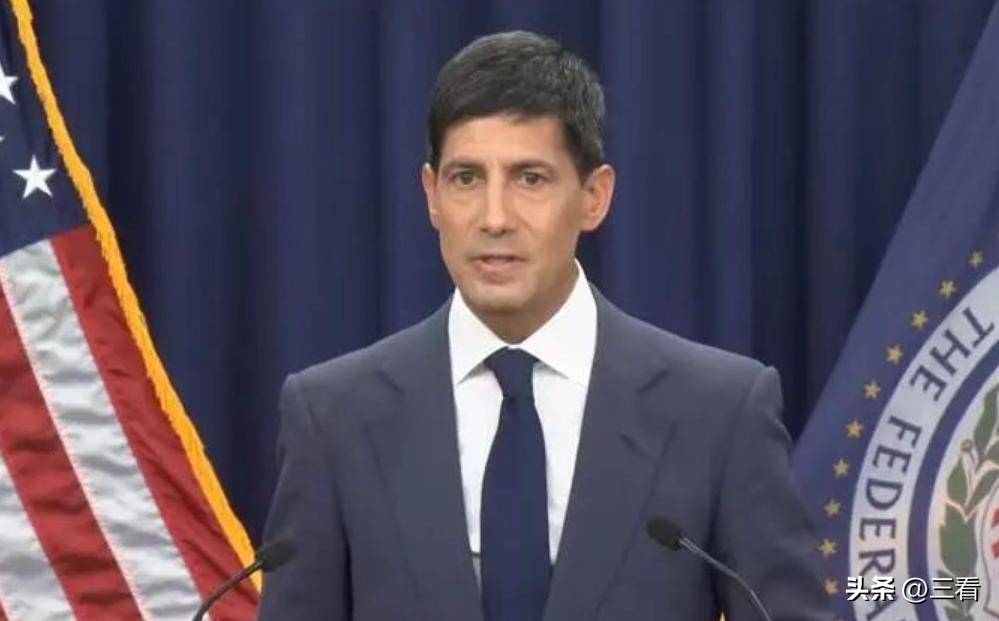
The Federal Reserve has played its final card! Wash makes a bombshell statement: Next, the U.S. is going to take a “big” gamble.
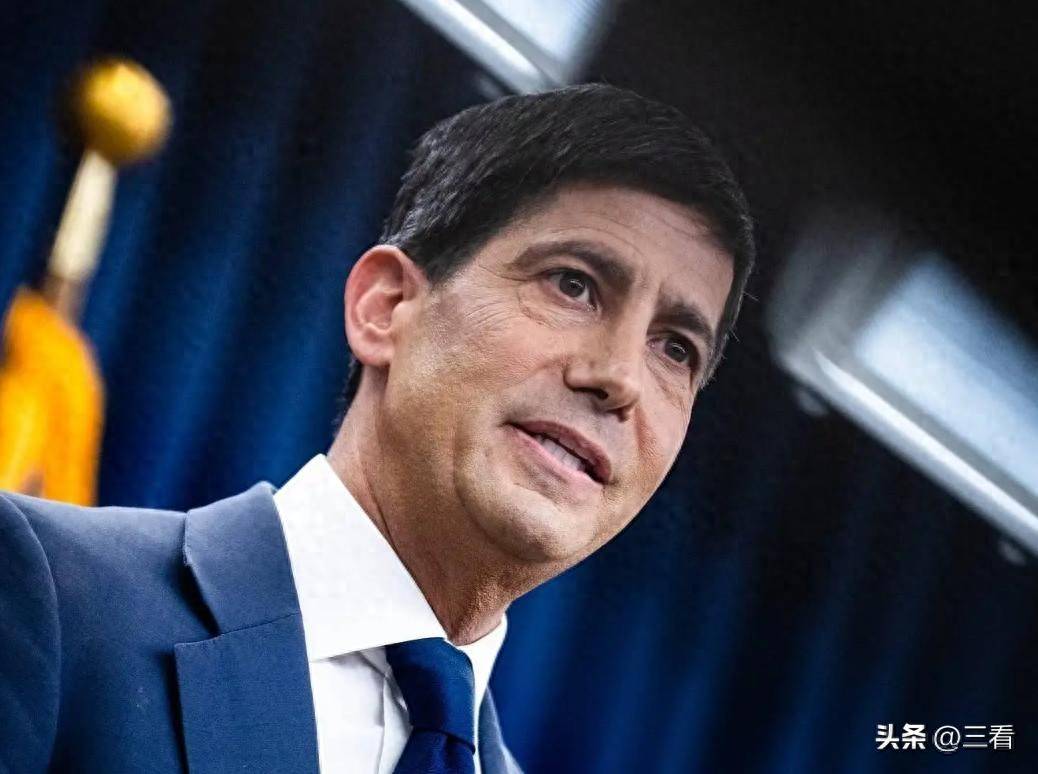
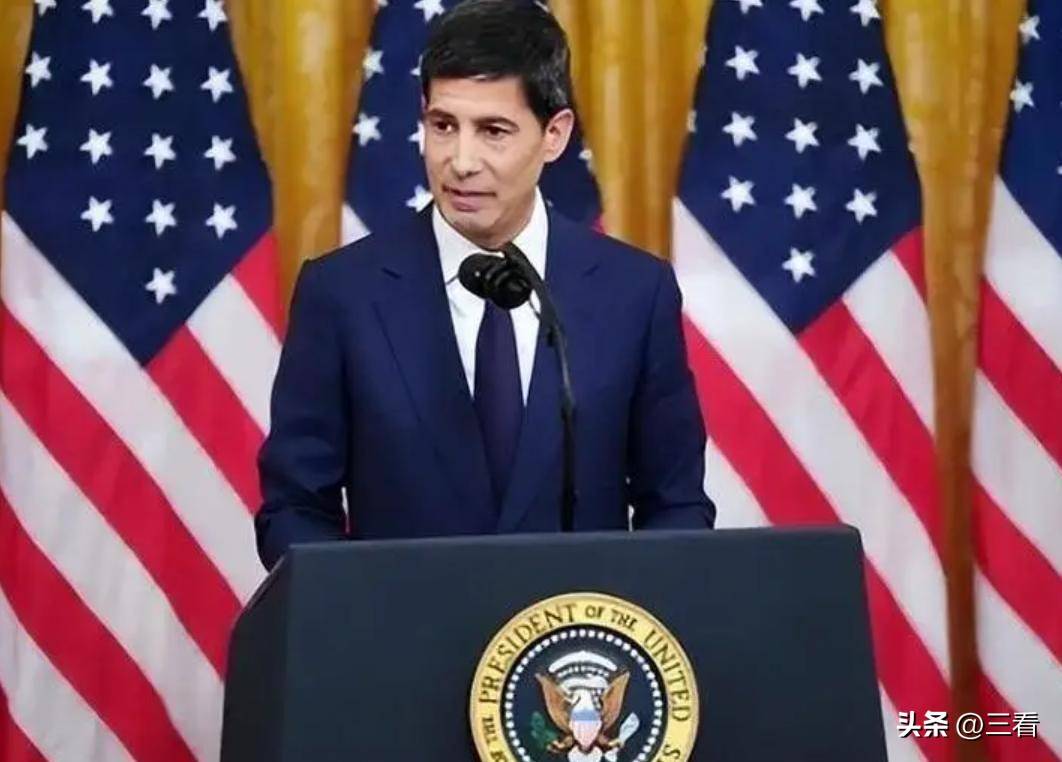
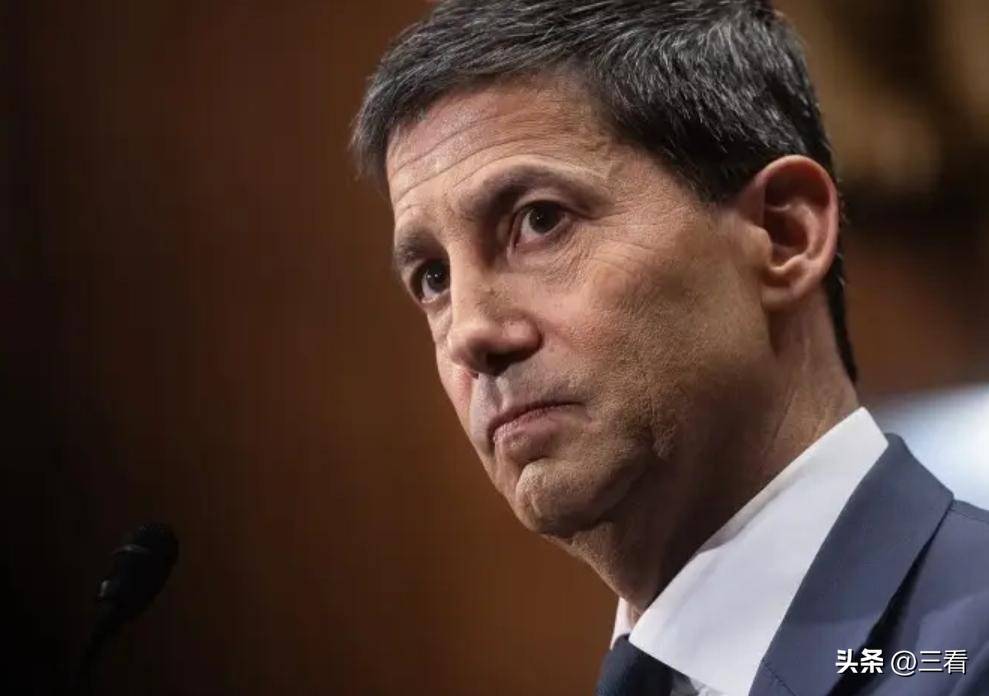
Bangkok, October 16. The eyes of the global financial circle are focused on the new head of the Federal Reserve, Walsh, waiting for a good word, the next step to raise interest rates or cut interest rates. In the market pricing that day, the probability of raising interest rates has fallen below 15%, and the wait-and-see mood is very heavy. Everyone wants to dig out a little direction from this speech.
As a result, Wash came to power and spent most of his time talking about artificial intelligence. He said that AI is the most important economic change of our time, boosting demand in the short term and improving supply in the medium and long term, and even the central bank's own tools for policy research and judgment are being AI rewritten.
It sounds very trendy. I keep up with the technology trend, but I can take this set of words apart to see how the interest rate goes. He didn't die a word. The market stayed up for half a day, waiting for not the direction, but a whole set of statements that can be explained at both ends.
Follow his logic down, the back road is actually very full, which day the U.S. inflation rebound, the Federal Reserve needs to raise interest rates to cool down, ready-made statements have, AI outbreak driven equipment and energy demand, economic overheating is a short-term phenomenon brought about by technological change, and monetary policy operations have no direct relationship.
On the other hand, the economy can not hold up the need for emergency interest rate cuts, the same rhetoric, inflation only occurs within the technology industry, people's food, clothing, housing and transportation is not affected, AI improve production efficiency, improve the total supply, interest rate cuts have no worries.
The same thing can be explained by going up and going down, and the initiative has always been in your own hands. This approach is no stranger to the U.S. financial elite, which used to be filled with global supply chain disruptions, which were later replaced by structural shortages in the labor market, and now are naturally crammed into AI. Wash also added that the transformation brought about by the AI will not be smooth sailing, short-term fluctuations are difficult to accurately predict, turned into a big vernacular, that is, the future prediction is wrong, the policy went wrong, can be counted on the AI head.
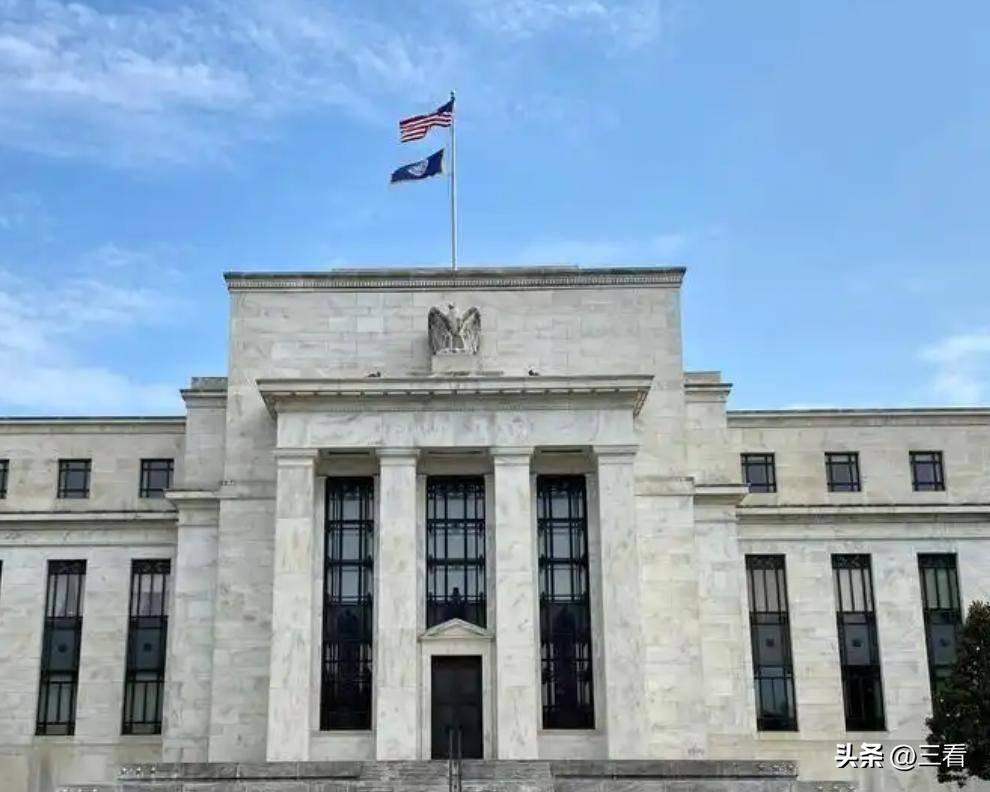
If you just take this statement as a way out on interest rates, you're looking at it lightly, and Warsh publicly talked about the Fed's internal governance reforms, acknowledging that in the past, too many resources were tilted towards monetary policy, and the financial regulation and payment system was weakened instead. He said that in the future, all the functions of the Federal Reserve should be coordinated, not just as a simple interest rate decision maker. Supervision, payment, and coordination of the regional Federal Reserve should be unified.
Those familiar with Wash's past will be surprised to hear that, before he was elected chairman, he was the most staunch critic of the Fed's disorderly expansion, three days and two heads shelling the Fed for not doing its job, one moment worrying about climate change, one moment managing diversity and tolerance, and stretching his hand too long. At that time, he strongly advocated the Federal Reserve downsizing, on the management of stable prices, employment two core things, took office only half a year, the position turned 180 degrees.
It's not just the position that changes the argument, sitting at the core, he really figured out the logic of the Fed's operation. The Federal Reserve is nominally the central bank that maintains financial stability, but in terms of its shareholding structure, it is a joint-owned institution of private commercial banks across the United States, essentially working for Wall Street. Usually it acts as a neutral guardian of the rules, acting to calm the economic cycle, and as soon as financial capital encounters a crisis or needs to expand its interests, it immediately opens the way for the bailout.
After the global financial crisis in 2008, countries tightened financial regulation, the hands and feet of the Federal Reserve were tied tightly, the offensive and dominant power of the US dollar in the global financial market was weakened, the trend of global multipolarization accelerated in recent years, and the anxiety of the American elite could not be hidden.
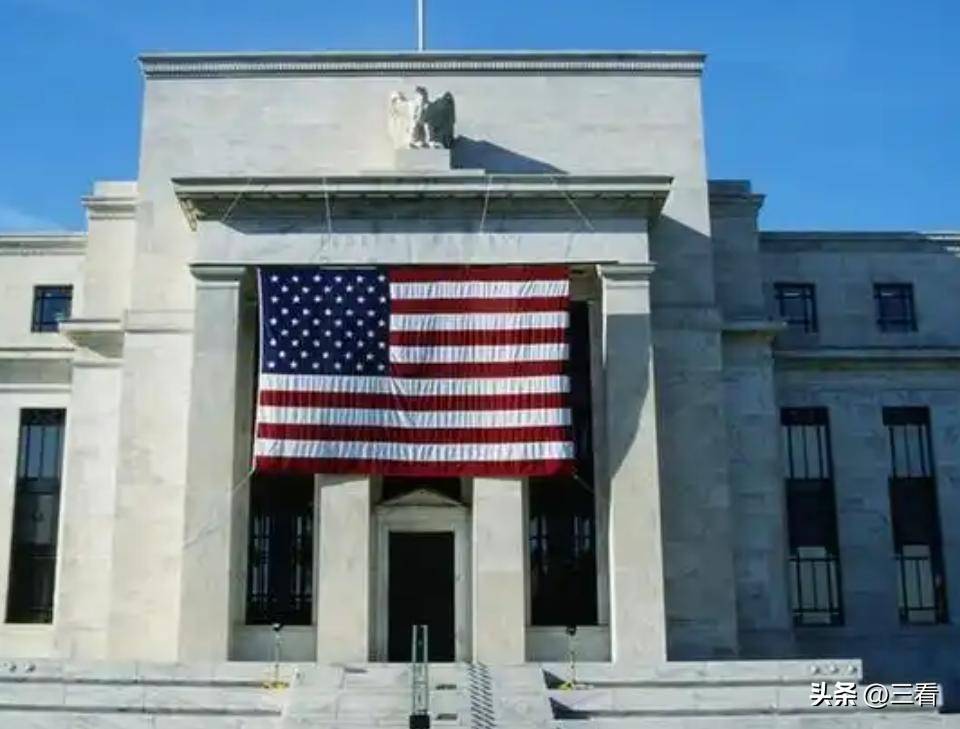
All the functions of balanced management in Wash's mouth, to put it bluntly, are to take back the lost power, the power of financial supervision, the control of the payment and clearing system, all in his hands. The signal is clear that the Fed wants to end its years of defensive posture and return to the front of the table to become an all-round institution that integrates regulation, payments, and currency issuance, not just a behind-the-scenes interest rate adjustment unit.
Making these preparations will ultimately serve the global layout of the dollar. Many people stare at inflation and employment data every day, struggling with whether to raise interest rates next time or cut interest rates by 25 basis points, and cannot see the big picture. Raising interest rates and lowering interest rates has never been the goal, but the Fed's valve to manipulate the flow of global wealth, and the logic behind it is the dollar tide that we have heard many times.
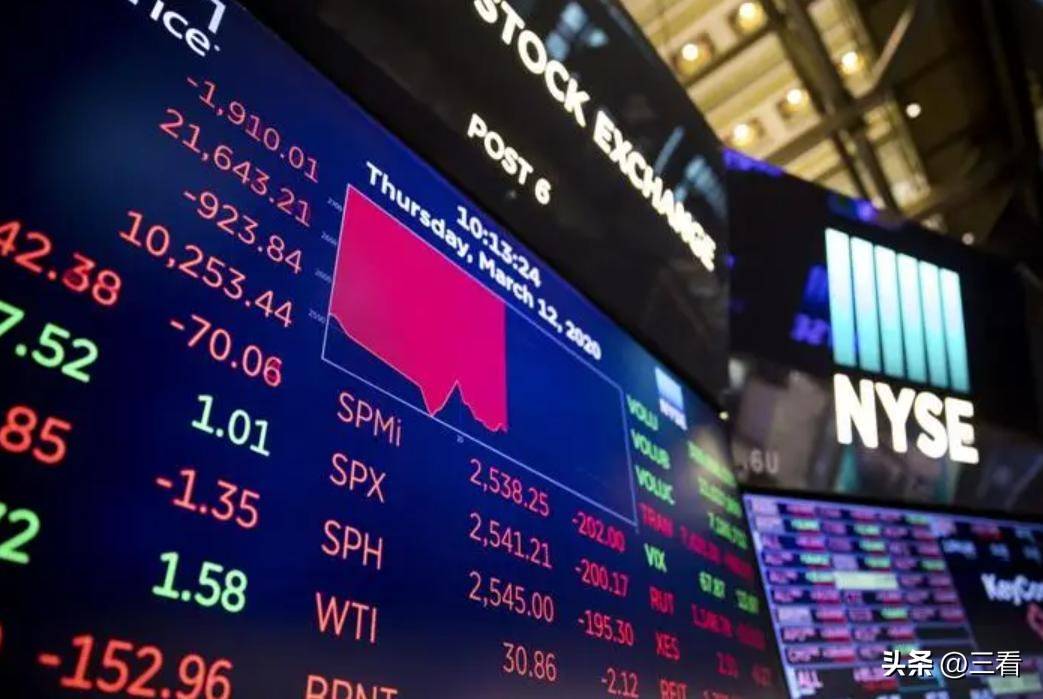
When the Fed lowered interest rates, huge amounts of dollars poured into emerging markets around the world, cheap money pushed up asset prices of all kinds, and all countries could taste the sweetness of growth. When the time is right, the Federal Reserve suddenly and violently raises interest rates, screwing on the valve of water release, and the dollar flows back to the United States on a large scale, directly siphoning off liquidity in other countries' markets.
Countries with insufficient foreign exchange reserves immediately ran into a devaluation of their currencies, a debt explosion, a collective collapse of the stock and property markets, and a sharp decline in wealth in a short period of time. Such as core assets fell to low levels, Wall Street capital with the dollar back to bottom, mining, infrastructure, technology companies these hard assets with very low costs to take away. After a set of processes have been completed, the development achievements of many countries for decades have been quietly transferred.
Over the past decade or so, this set of routines has not been as smooth as before, with serious internal party rivalry at the Fed, delayed decision-making and often missing the best operating window. The U.S. national debt has rolled to $35 trillion, and it is impossible to pay off with normal taxes, so we have to find a way out.
Especially in the face of China, an economy with a complete industrial system and a huge domestic demand market, China adheres to an independent monetary policy and has set up a sound financial risk prevention and control system.
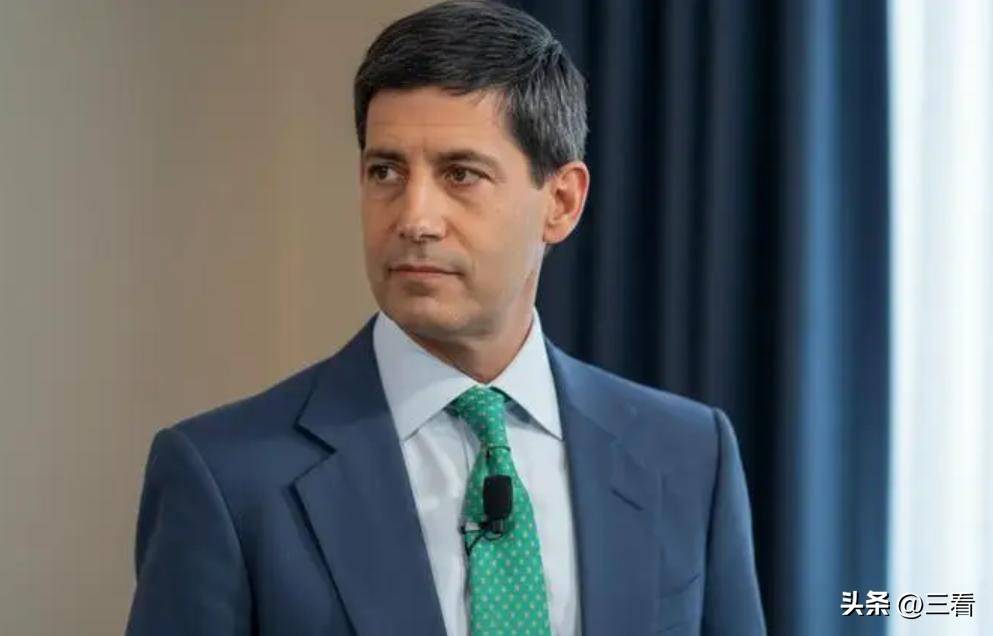
But this time, they are clearly prepared to gamble on a bigger game. Walsh said at the meeting that most parts of the world are tightening monetary policy at the same time, and there are no free riders. This sounds like a call for global policy coordination. In fact, it is no different from the ultimatum. The United States has set a tightening tone. Other central banks must follow suit. Whoever dares not follow suit will wait for the massive withdrawal of hot money, the collapse of the local currency and the financial turmoil.
To put it bluntly, it is forcing the world to pay for the U.S. debt bubble together, relying on a new round of global wealth restructuring to pass on the debt pressure. Developing countries with weak financial defenses and small foreign exchange reserves will be the first targets to be targeted.
Standing in China's position, there is no need to follow the panic and chaos. Over the years, China has continued to build up the financial risk-prevention fence, steadily promote the internationalization of the RMB, complete the diversified layout of foreign exchange reserves, the bottom card is thick enough, and the economy's strong resilience and huge room for maneuver is the most solid shield.
However, we must not take it lightly. We must remain sober and vigilant. The follow-up measures of the United States are likely to be more covert and complex than before. First, we will launch a targeted attack against weak countries. The risks in the peripheral markets will inevitably be transmitted through trade, exchange rates and other channels.
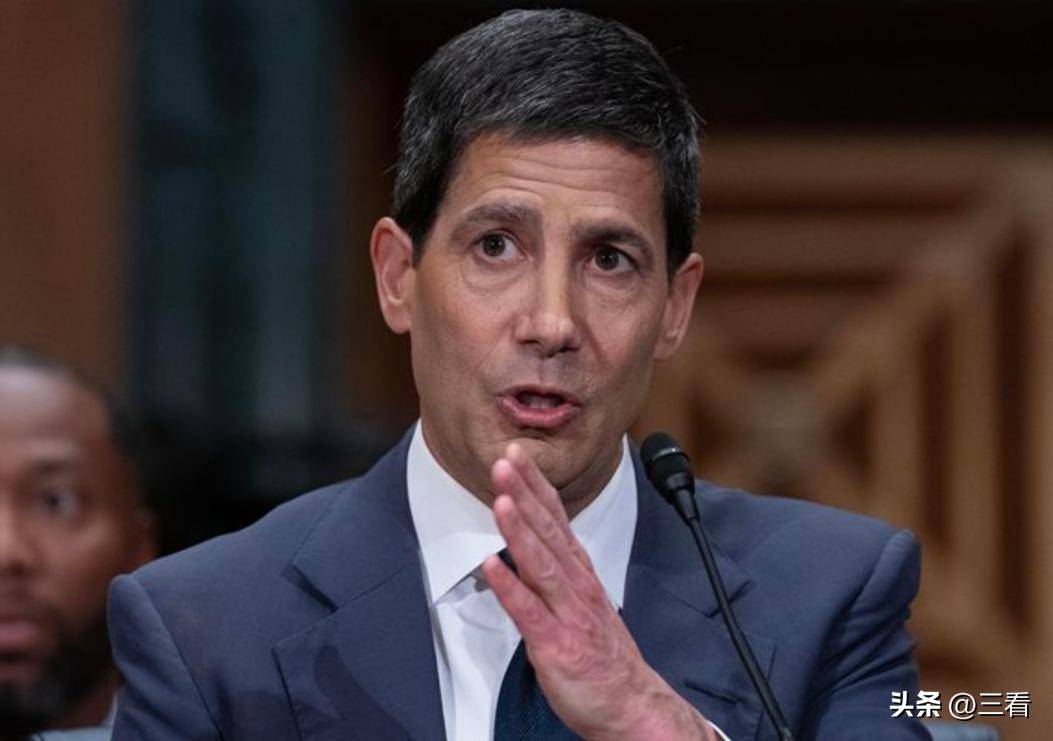
The speech in Bangkok on October 16 was just the beginning of this round of financial games, AI used on stage as glossy terms, and the real issue was the Fed's recapturation of regulatory, payment and currency issuance powers, and in line with the $35 trillion debt pressure to push a synchronized global tightening, shifting the cost of debt outward.
Recommended News
Contact Us
- Phone: 0017194050155
- Fax: 0017194050155
- 邮箱:gelcc1@outlook.com
- Mobile phone: 0017194050155
- Address: Room 500, 1234 International Avenue, Washington, D.C. 20001, USA