
news
Only half of the global women's economic opportunity laws have been implemented
Only 4% of women worldwide live in an economy with almost complete legal equality
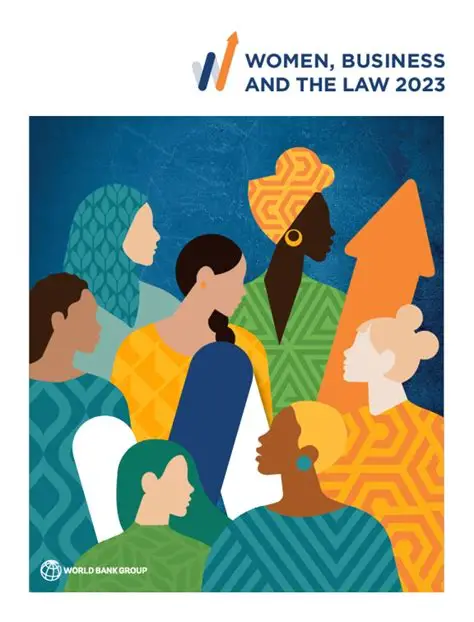
Washington, February 24, 2026- According to a new report by the World Bank Group, laws aimed at ensuring equal economic opportunities for women have only been enforced on average by half globally, indicating that obstacles to women's full participation in growth and prosperity are far more severe than previously thought. Even if the law is fully enforced, women still only have less than two-thirds of the legal rights enjoyed by men.
latestWomen, Business, and LawFor the first time, the report not only evaluates the level of equality in laws, but also assesses the degree of enforcement of these laws. The interviewed legal experts estimate that only half of the laws encouraging women to fully participate in the economy have been implemented, indicating that the government still has a long way to go. Even if progress is made in establishing new equal opportunity laws, on average, the implemented policies and services in the economy are less than half of what is needed for law enforcement. Only 4% of women worldwide live in an economy with almost complete legal equality. This hinders the economy from unleashing its full potential for growth and job creation.
Indermit Gill, Chief Economist and Senior Vice President for Development Economics at the World Bank Group, said, "In theory, most countries perform fairly well: they score 67 out of 100 in terms of legal adequacy," according to Indermit Gill, Chief Economist and Senior Vice President for Development Economics at the World Bank Group. But in terms of law enforcement, the average score has dropped to 53 points. When evaluating the systems required to implement these rights, the adequacy score is only 47 points. These numbers reflect a huge opportunity gap - the findings of this report provide policymakers with intelligence to reverse the declining growth potential of developing countries
Women, Business, and Law evaluates the economic participation of women globally in ten key areas, including freedom from violence, accessibility of childcare services, entrepreneurship, employment protection, asset ownership, and retirement security. It points out that safety from violence is a key flaw that makes it difficult for women to sustain their work.True equality begins with safety. Whether at home, in the workplace, or in public places, women should be protected in order to thrive, "said Norman Loiza, Director of the Policy Indicators Group at the World Bank." Globally, we are far behind. We only have one-third of the safety laws we need, and even so, law enforcement still fails 80% of the time
Tia Tranbik, a project manager for women, business, and law, and the lead author of the report, said: "In the next decade, 1.2 billion young people - half of whom are girls - will enter the workforce. Many will grow up in areas where women face the greatest barriers, and these areas are the most critical for the GDP growth they contribute to. Ensuring equal opportunities for women here - and anywhere - not only benefits women, but also benefits society as a whole. In short, it is an economic necessity, not just something that can be easily found
The report found that entrepreneurship is also a field with lower scores. Although women can start businesses under the same legal conditions as men in almost all economies, only about half of the economies promote equal access to credit, resulting in female entrepreneurs being excluded from financing.
Childcare is a crucial opportunity for policy makers. Affordable and reliable childcare services are often one of the strongest predictors of whether parents, especially mothers, can work or transition to high productivity jobs. However, less than half of the 190 economies covered in the report have laws that provide financial or tax support for households. Among them, only 30% of the policies required to support affordable and high-quality childcare services are in place. In low-income economies, only 1% of childcare support mechanisms are in place.
Despite these conditions, the progress of equal opportunity laws is still ongoing:
In the past two years, 68 economies have implemented 113 positive legal reforms in most areas of women's economic life, with the greatest progress made in entrepreneurship and safety from violence. Seven countries have also expanded paternity leave to help redistribute care resources and support women's employment.
In the past two years, sub Saharan Africa has implemented 33 reforms, the most among all regions. Madagascar and Somalia have lifted bans on women working in industries such as construction, manufacturing, and agriculture.
Egypt, Jordan, and Oman have made progress. In the past two years, Egypt has the highest reform rate in the world, with its legal equality score increasing by nearly 10 percentage points. The recent reforms have extended paid parental leave for mothers from 90 days to 120 days, introduced one day of paid leave for fathers, enforced equal pay for equal work, and allowed for flexible work arrangements.
Recommended News
- government approval 2026-04-17
Contact Us
- Phone: 0017194050155
- Fax: 0017194050155
- 邮箱:gelcc1@outlook.com
- Mobile phone: 0017194050155
- Address: Room 500, 1234 International Avenue, Washington, D.C. 20001, USA