
news
European vintners 'dream disillusions': Chinese customers drop sharply, turn to new markets
Hong Kong News Network, August 24 — The Chinese market, once hailed as the “next growth engine” of the European wine industry, is currently experiencing a sustained and significant downturn.
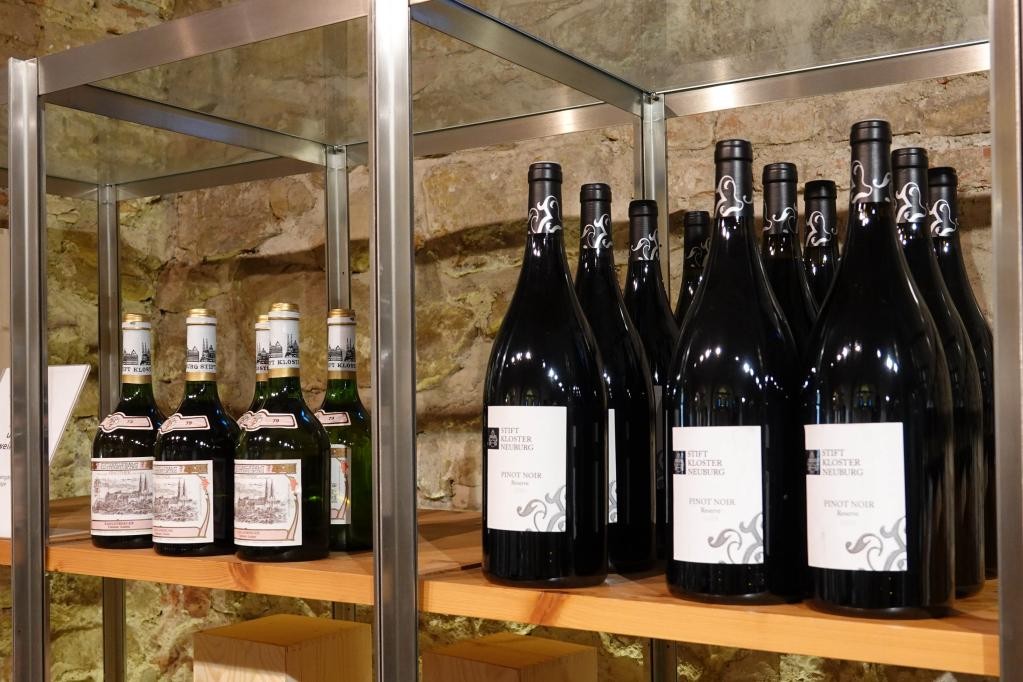
Alcohol. Xinhua file photo
According toObserver Network CitesHong KongEnglish-language media "South China Morning Post" reported on August 23,The latest trade data show that in the first half of 2026, China's bottled wine imports to the EU will drop by 16.6 per cent year-on-year, with the value of imports falling by 7.9 per cent to $0.251 billion billion. This figure not only lasted for several years, but also marked the complete disappearance of the short-term rebound after the epidemic, and the "Chinese dream" of European vintners was being recalibrated by reality.
Zhao Sen, who runs the Sino-French wine trade in Paris, said his local business in France remained strong, but orders from Asia, especially China, had seen a "cliff-like decline". "The decline in Chinese customers is most obvious, and the decline in consumer goods has become a common phenomenon. A large backlog of high-end European wines in recent years is still being sold through channels, and high inventories directly inhibit new purchase demand."
He further pointed out that the imbalance between supply and demand has begun to distort the pricing system. "The terminal prices of some top French properties in China are even lower than the retail prices in France, which was almost unimaginable before.""
Behind the shrinking demand is a combination of structural factors. On the one hand, the drinking preference of young Chinese consumers has shifted from "ostentatious consumption" to "self-indulgent and situational", resulting in a decline in enthusiasm for high-priced imported wine; on the other hand, the macroeconomic slowdown and the fading effect of real estate wealth have further compressed the budget for buying wine in the business banquet and gift markets.
At the same time, the rise of Chinese wine is quietly rewriting the competitive landscape-wineries in Shangri-La in Yunnan, the foothills of Helan in Ningxia and Penglai in Shandong, with their ever-improving winemaking techniques and recognition of international awards, have successfully attracted a group of consumers who previously only identified with the "old world" label as local fine wines.
A senior Madrid wine exporter admitted that although the Chinese market is not its largest segment, shipments have remained stable for a long time. During the peak period, more than 3000 bottles were exported to Huannian, mainly supplying Western-style restaurants in first-tier cities such as Shanghai and Shenzhen. However, its sales in China are expected to plummet to less than 900 bottles this year.
In response to this change, more and more European manufacturers are adjusting their strategic focus, reducing shipments to China, and turning their attention to emerging markets such as Canada, India, Southeast Asia and South America. Although the high-end capacity and total volume of these markets are not yet comparable to China's peak, diversification has become an inevitable choice for risk mitigation.
Industry analysts pointed out that the peak of China's wine imports peaked before and after the epidemic, and the market is currently undergoing a long-term transition from "increased production and rising prices" to "reduced production and stable prices. In order to regain the growth of imported wine, we must change from the narrative of "high-end scarcity" to the new logic of "cultural integration and daily consumption. For European vintners, abandoning the illusion and embracing diversity may be the most pragmatic way to survive in the post-"Chinese Dream" era.
Recommended News
Contact Us
- Phone: 0017194050155
- Fax: 0017194050155
- 邮箱:gelcc1@outlook.com
- Mobile phone: 0017194050155
- Address: Room 500, 1234 International Avenue, Washington, D.C. 20001, USA