
news
What signals are released by a 62% increase in global central bank purchases?
On July 30, the World Gold Council’s Q2 2026 Global Gold Demand Trends Report revealed that global gold demand in the second quarter remained flat year on year at 1,269 tonnes. In the first half of the year, total global gold demand reached 2,522 tonnes, with a combined value of approximately US$38 billion—both marking all-time highs. Gold’s rally has paused for now, and the market is proving resilient—what does this mean for investors? What signals are being sent by central bank gold purchases, jewelry demand, and data on gold used in technology?
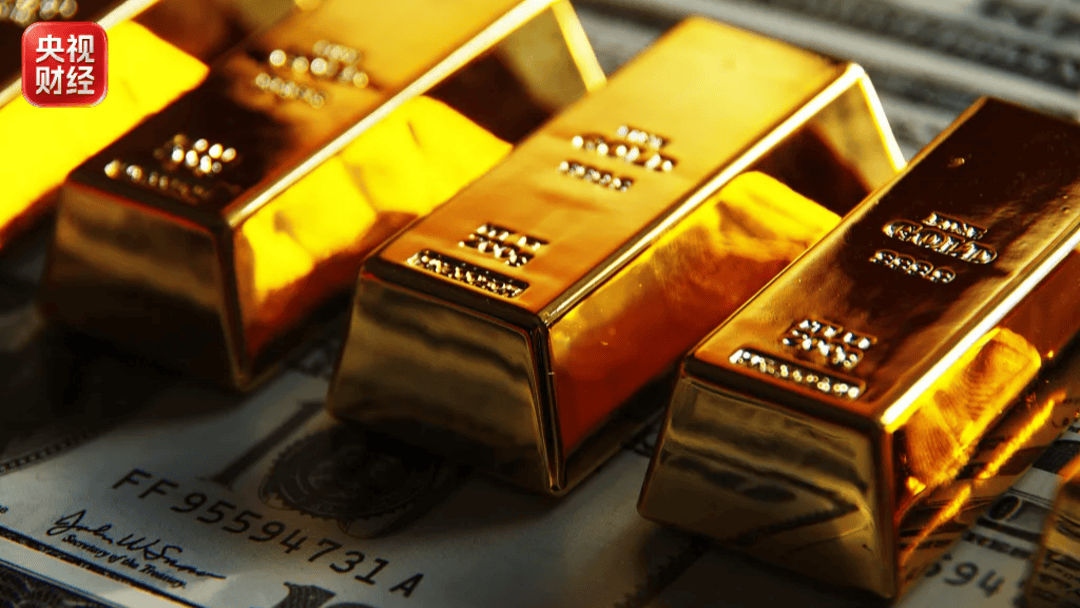
Global central banks purchased 289 tonnes of gold.
In the second quarter, global central banks net-purchased 289 tonnes of gold, a year-on-year increase of 62%.
A recent survey of global central banks’ gold reserves indicates that 89% of central banks expect official gold reserves worldwide to increase further over the next 12 months. Jia Shuchang, Head of Research for the Asia-Pacific region (excluding India) and Deputy Director of Industry Development in China at the World Gold Council, stated: “Central bank reserve managers generally believe that the most direct drivers of gold allocation are, on the one hand, the need for reserve diversification and, on the other, the rising geopolitical risks, which are further accelerating the demand to diversify risk away from U.S. dollar–denominated assets.”
Chen Yanbing, a senior strategy analyst at China Asset Management, pointed out that the central bank’s gold purchases are a “slow-moving factor” in gold pricing; they will not immediately drive up prices but are likely to provide support for the underlying price floor over the medium to long term. At the same time, investors are advised to adopt the central bank’s asset-allocation mindset rather than interpreting this move as a signal to make large-scale short-term purchases.
The “decline in volume, rise in price” trend in gold jewelry reflects a shift in consumer behavior.
Affected by high gold prices, global gold-jewelry demand declined 17% year on year in the second quarter. However, the value of global gold-jewelry consumption rose 22% year to date in the first half of the year, reaching US$86 billion, underscoring a pronounced “volume decline, price increase” trend. In the domestic market, gold jewelry demand in the second quarter totaled just 50 tonnes, the lowest for the same period since 2005; however, first-half spending reached RMB 141.9 billion, up 2% year on year and the second-highest level on record. Jia Shuchang analyzes that high gold prices, sharp price volatility, and the traditional off‑season are the primary factors behind the weakening demand for gold jewelry in the second quarter.
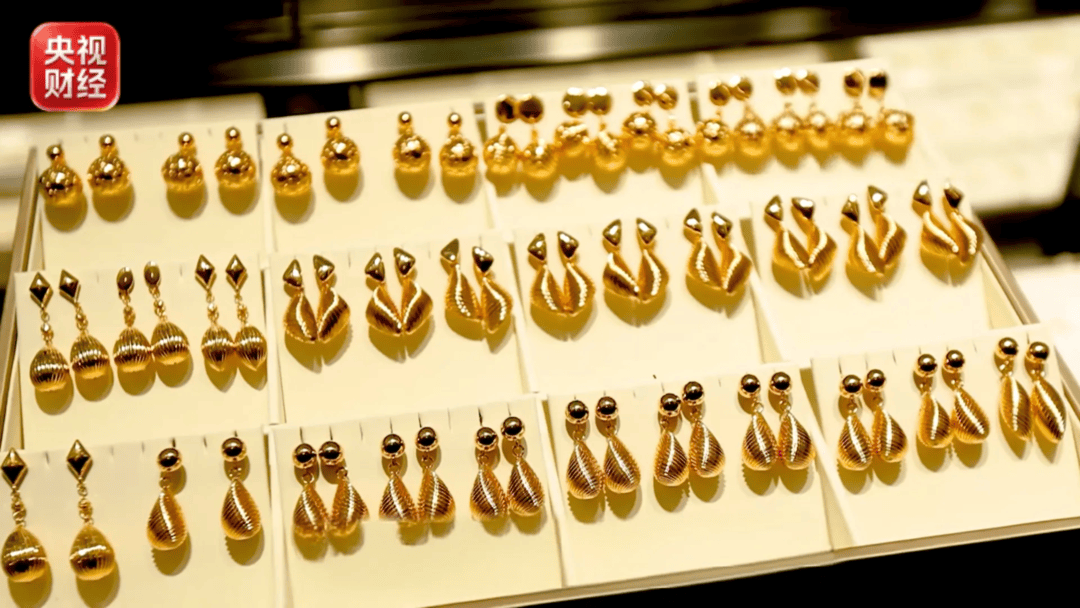
Notably, consumers are cutting back on purchases of solid gold jewelry and opting instead for lighter‑weight pieces. Among them, lightweight hard‑set gold and traditional‑technique gold are highly sought after, reflecting a shift in consumer preferences from valuing “weight” to valuing “craftsmanship.” The World Gold Council forecasts that gold-jewelry consumption may receive seasonal support in the second half of the year, but subdued consumer confidence and elevated jewelry‑making costs are likely to continue weighing on the market. Nevertheless, demand for lightweight and high-end product lines is expected to boost gold jewelry consumption spending.
AI-driven tech gold use saw a modest increase
Driven by the artificial intelligence sector, technology-related gold demand edged up to 80 tonnes in the second quarter, up 2% year on year, with electronics‑related gold demand increasing by 4%. Growth in gold usage in areas such as AI chips, advanced packaging, and 5G communications has offset the drag from a weak consumer electronics market.
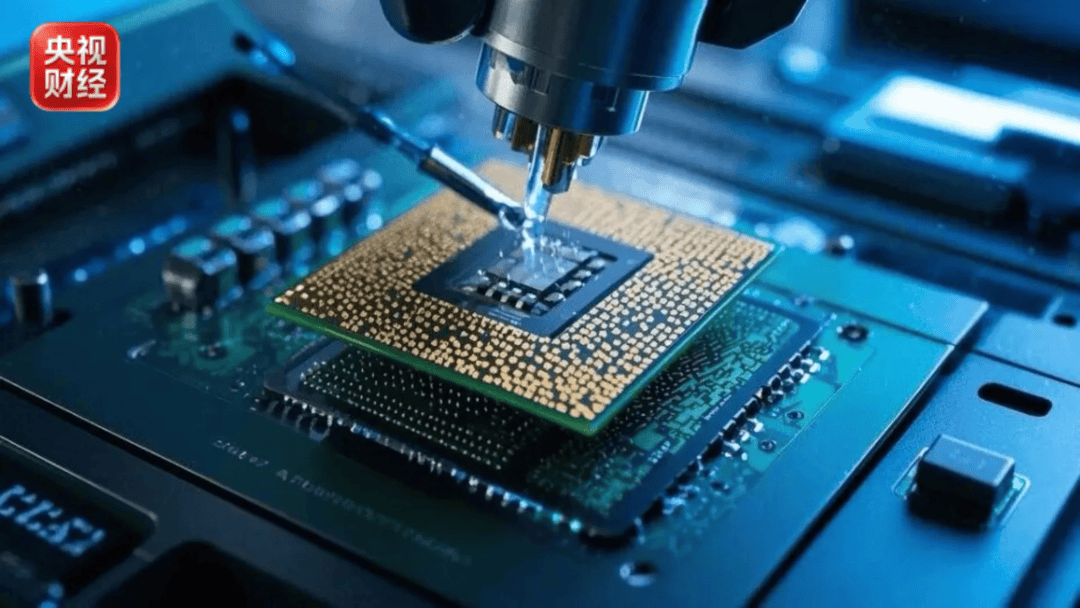
“Technology-related gold accounts for only 5% to 6% of global gold demand, exerting merely ‘marginal support’ on gold prices.” Chen Yanbing cautions that the pull on gold demand from AI should not be overestimated, but the structural incremental demand generated by the ongoing expansion of the AI industry remains an important indicator of the diversification of gold demand. Investors can gain insights into the multifaceted drivers of gold demand by examining the growth in gold use within the technology sector.
How should gold investment decisions be made in the second half of the year?
Looking ahead to the second half of the year, investment demand is expected to drive growth in gold consumption. The World Gold Council forecasts that over-the-counter trading and Asian investment demand will assume an increasingly prominent role, while Western market interest in gold ETFs remains closely tied to U.S. real Treasury yields and expectations for U.S. monetary policy. For individual investors, Chen Yanbing offers the following advice:
1. Track three key variables: the Fed’s interest-rate path determines upside pressure, while the inflation trend dictates the urgency of rate hikes.
2. Position sizing should be between 5% and 10%; the characteristic of “long-term oscillating upward with short-term high volatility” is more compatible with a dollar-cost averaging strategy.
Recommended News
Contact Us
- Phone: 0017194050155
- Fax: 0017194050155
- 邮箱:gelcc1@outlook.com
- Mobile phone: 0017194050155
- Address: Room 500, 1234 International Avenue, Washington, D.C. 20001, USA