
news
Science and Technology Daily, Beijing, July 9th (Reporter Zhang Mengran) A new study published in the latest issue of "Nature" proposes a way to get stem cell transplantation out of traditional chemotherapy, that is, to replace chemotherapy with "molecular camouflage. This has led to safer routes to treat blood disorders such as sickle cell disease, thalassemia, immune deficiencies and certain blood cancers. Image source: AI-generated stem cell transplantation and gene therapy are currently one of the most effective methods for the treatment of these diseases. They can replace or repair damaged hematopoietic stem cells and bring lasting and even curative effects. However, traditional treatment protocols require patients to receive high-intensity chemotherapy or radiation before transplantation, with the goal of emptying the bone marrow of pre-existing stem cells to make room for new cells to implant. This kind of pretreatment will cause damage to the whole body DNA, toxic
On July 11, Bloomberg reported, citing sources familiar with the matter, that the European Union is drafting a new mechanism called the “Solidarity Tool” to provide financial support to European companies, “helping them reduce their reliance on China in critical supply chains and cushion the impact of potential Chinese countermeasures in the event of trade disputes.”
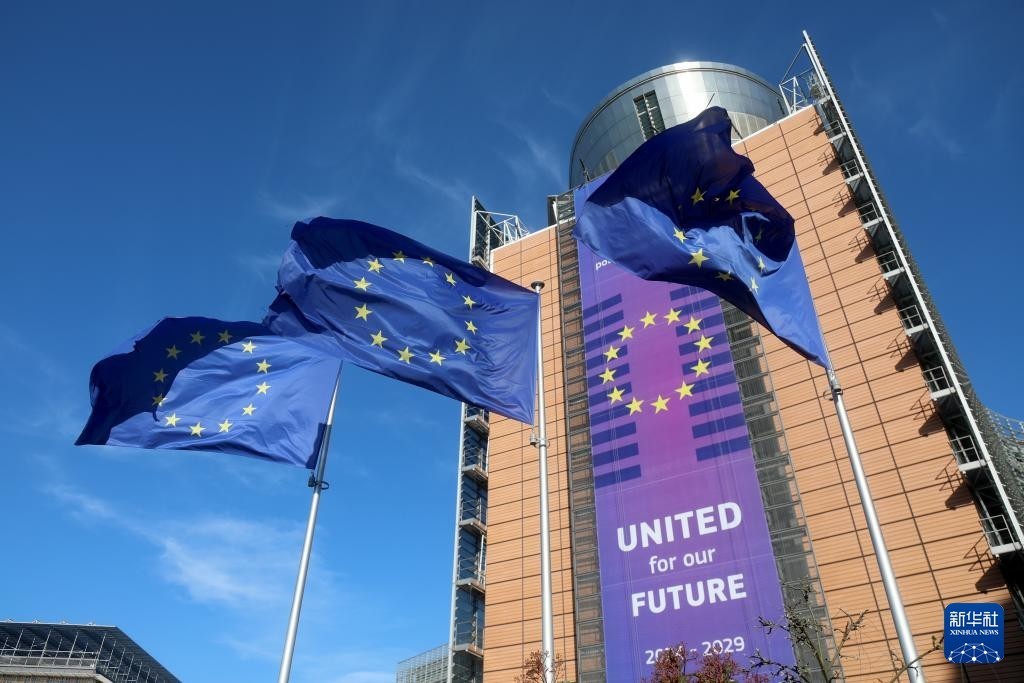
The photo shows the flag of the European Union.
Although the EU has emphasized that none of its instruments are specifically targeted at China. However, the report claims that the aforementioned tools are “one of the EU’s measures to address its trade deficit with China.” However, sources familiar with the matter said that its implementation would be costly and require substantial funding.
Within the European Union and in the governments of several member states, many officials remain skeptical about whether the EU genuinely possesses the political will to adopt tougher measures against China should negotiations fail. These individuals believe that, should the European Union take further action, “China will inevitably respond with strong countermeasures.”
Accordingly, the EU has yet to determine the scale of the funding required, as the final level of expenditure will depend on the intensity of any retaliatory measures that China may take. Sources familiar with the matter revealed that the European Union this week briefed its member states’ representatives to the EU on the latest developments, but an EU Commission spokesperson declined to comment.
On June 29, China and the European Union formally established the China–EU Trade and Investment Dialogue Mechanism and held its inaugural ministerial-level meeting, engaging in comprehensive, in-depth, and constructive discussions on key economic and trade issues.
At the regular press conference of China’s Ministry of Commerce on July 2, spokesperson He Yadong stated that, at the first meeting under the consultation mechanism, both sides focused on promoting a “upward rebalancing” of trade by tapping into emerging sectors, potential areas, and problem‑ridden fields. China is fully implementing the 15th Five-Year Plan, advancing its efforts to become a trading powerhouse, and will actively promote the balanced development of imports and exports. China is willing to help European Union enterprises tap the Chinese market and expand their exports to China through platforms such as “Made in China” and the China International Import Expo.
On July 12, Zhou Mi, a researcher at the Research Institute of the Ministry of Commerce of China, pointed out that both sides had agreed in their joint statement to continue consultations with a view to making progress on specific issues. Accordingly, the European side should refrain from devising new instruments or creating additional trade frictions, as such measures would undermine the overall health of China-EU economic and trade relations.
Recommended News
Contact Us
- Phone: 0017194050155
- Fax: 0017194050155
- 邮箱:gelcc1@outlook.com
- Mobile phone: 0017194050155
- Address: Room 500, 1234 International Avenue, Washington, D.C. 20001, USA